Sooke Harbour: The Heart of the Coast
Where the Pacific meets a living landscape — harbour, heritage, and wild coast in one place.
No. 1 Where Land and History Meet
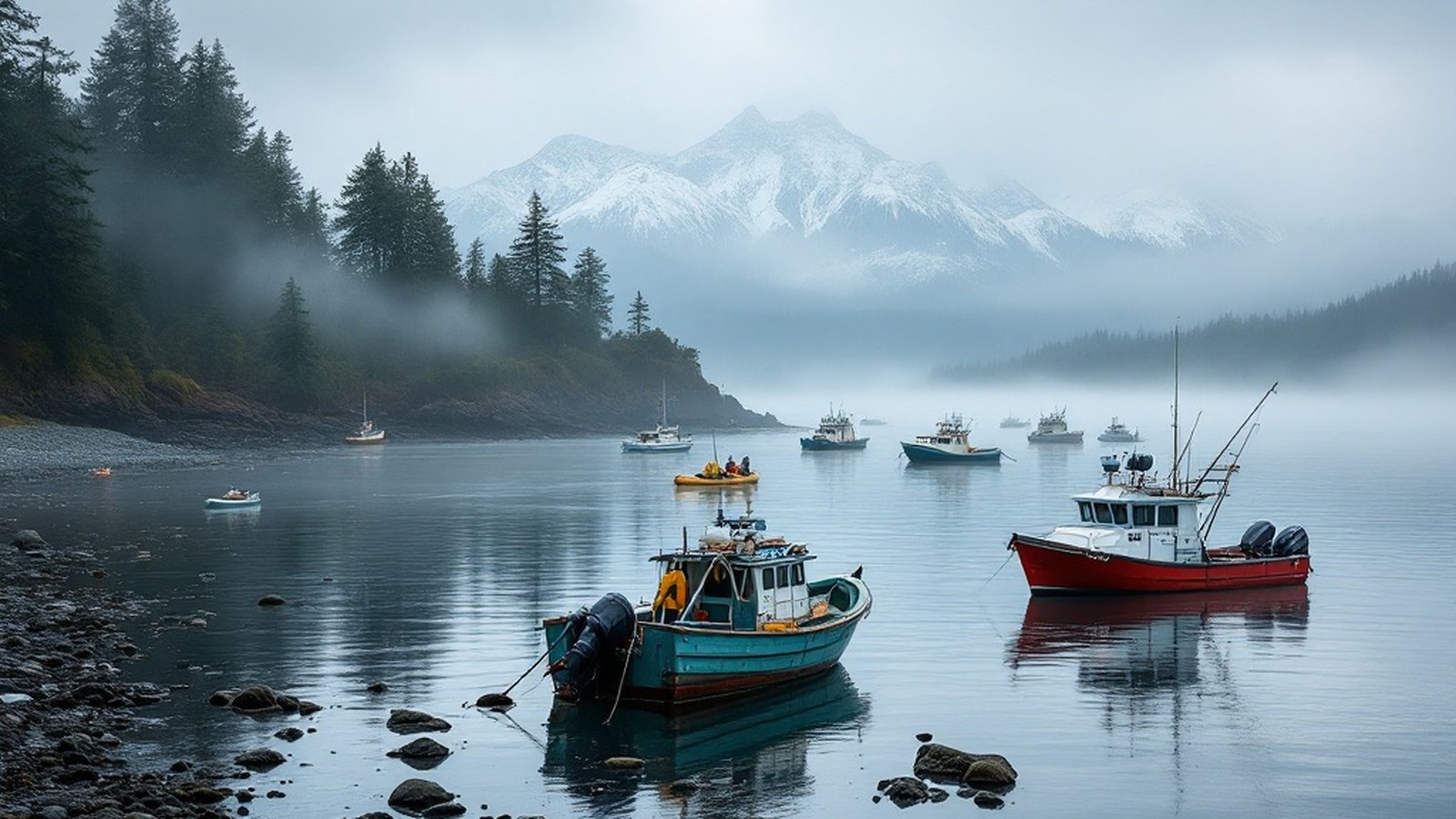
Sooke Harbour sits at the southern tip of Vancouver Island, sheltered from the open Strait of Juan de Fuca and framed by the Olympic Mountains across the water. It's the geographic and cultural hub of this stretch of coast — a working harbour where fishing boats share the water with kayaks, and the surrounding land holds more layered history than most visitors expect.
The T'Sou-ke Nation has sustained itself here for generations, drawing salmon and clams from the Sooke River. Their community museum holds a significant artifact collection and offers guided tours tracing both the nation's history and its traditional canoe culture on Pacific Northwest waters.
On land, a self-guided heritage driving tour begins at Sooke Memorial Park and heads west along Otter Point Road, following the story of Captain Walter Grant — who arrived in 1849 as Vancouver Island's first independent colonist. Fifty heritage plaques, produced by the Sooke Region Historical Society, stitch T'Sou-ke history together with early French-Canadian settlement across the district.
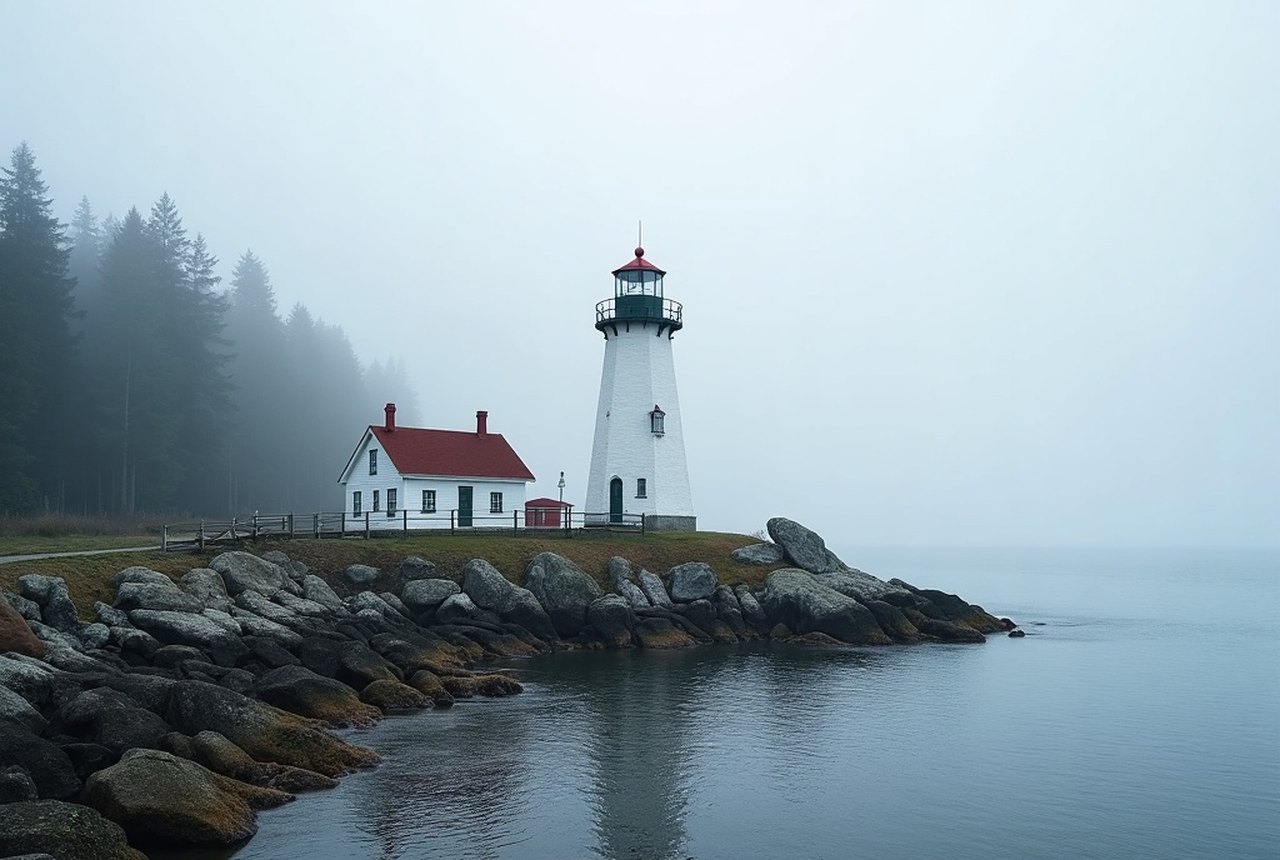
At the waterfront, a red-and-white lighthouse relocated from Triangle Island anchors the Sooke Region Museum grounds alongside Moss Cottage, the Muir family home dating to 1870 — one of the oldest surviving settler residences in the region.
The Galloping Goose Regional Trail carries its name from the rattling gas-powered rail car that ran between Sooke and Victoria from the 1920s onward. The 60-kilometre multi-use corridor — now part of the Trans Canada Trail — threads through Metchosin past bald eagles, deer, and rare Garry oak meadows, and is equally good by bike or on foot.
Heritage in Sooke isn’t behind glass — it’s still in the ground underfoot.
In the 1860s, gold found along the Leech and Wolf rivers drew roughly 3,000 prospectors and briefly gave rise to Leechtown. Almost nothing remains, but the story fits naturally into everything else visible here: heritage in Sooke isn't behind glass — it's still in the ground underfoot.
- 1849Captain Walter Grant settles at Sooke — the first independent colonist on Vancouver Island
- 1860sGold on the Leech and Wolf rivers draws ~3,000 prospectors; Leechtown rises and vanishes
- 1870Moss Cottage built by the Muir family — among the region’s oldest surviving settler homes
- 1920s onwardThe Galloping Goose rail car rattles between Sooke and Victoria, naming today’s trail