Sooke Through the Seasons, at a Glance
A quick month-by-month weather reference for matching the coast to the trip you actually want.
No. 1 Reading the Calendar
Sooke's maritime climate softens the extremes — winters rarely freeze, summers rarely scorch — but the difference between July and November is the difference between two different coasts. Use this as a planning shortcut.
The difference between July and November is the difference between two different coasts.
| Months | The coast | You gain |
|---|---|---|
| Dec–Feb | Sideways rain, muddy trails, scarce daylight | Empty beaches, dramatic surf, the place to yourself |
| Mar–Apr | Light returns, longer breaks between rain | Grey whales, wildflowers, shoulder-season rates |
| May | Mid-teens, luminous green forest | One of the most reliably pleasant months |
| Jun–Aug | Genuinely dry in the rain shadow, long evenings | Swimmable water by mid-July — and the crowds |
| Sep–Oct | Golden light, warm sea, turning trees | The insider’s window; many locals’ favourite |
| Nov | Days shorten fast, rain returns | The wild coast at its most photogenic |
December–February. The wet, quiet months. Rain arrives in persistent sideways sheets off the Strait of Juan de Fuca, trails run muddy, and daylight is scarce. What you gain: empty beaches, dramatic surf, and the raw satisfaction of having the place to yourself. Storm-watching from a harbour-side window is a legitimate reason to come.
March–April. Light creeps back, grey whales move north through the strait, and the first hikers appear on the East Sooke Coast Trail. Rain is still common but breaks are longer. Wildflowers appear on the headlands. Shoulder-season rates and elbow room — this is underrated.
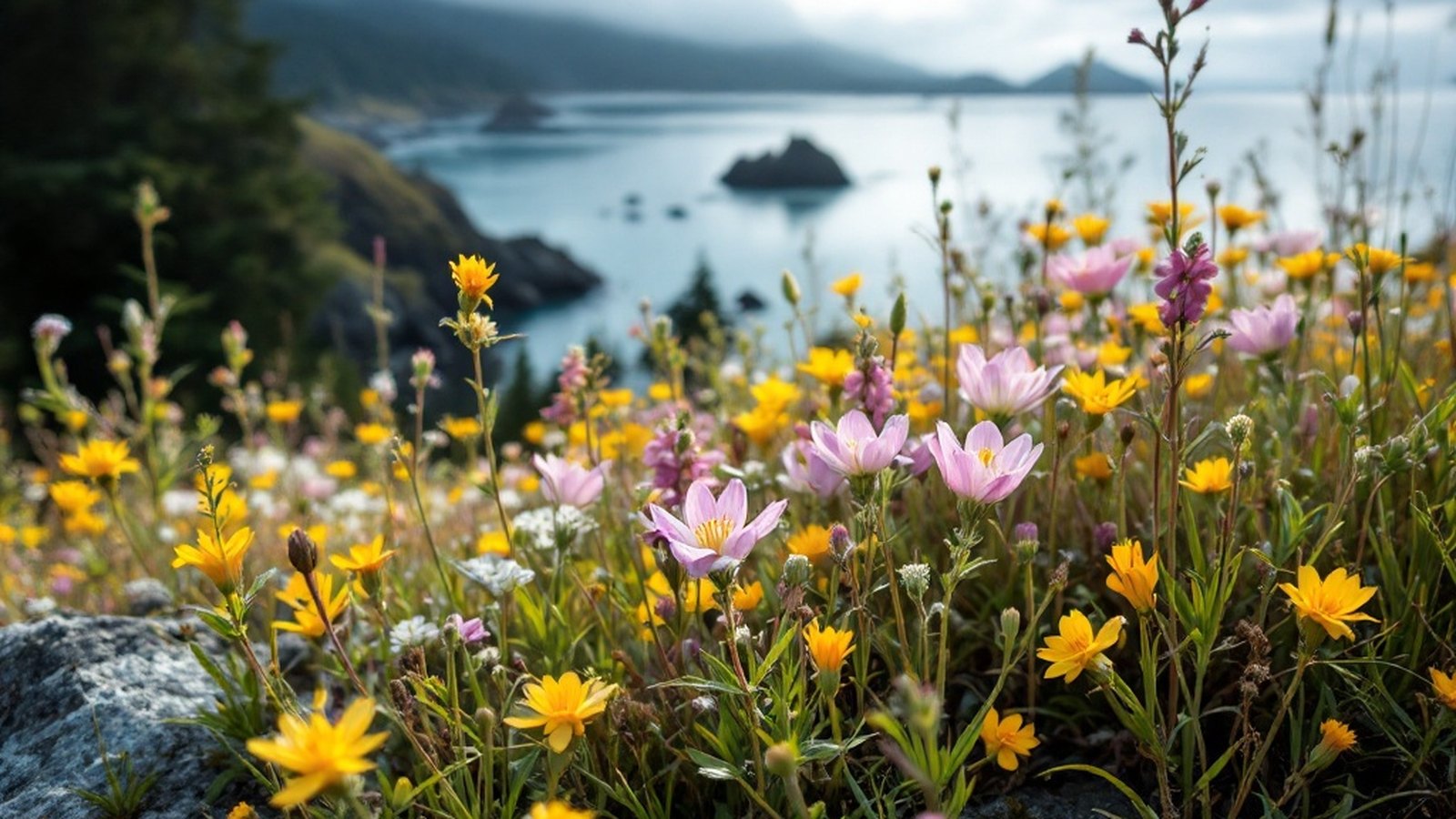
May. The transition month. Temperatures climb into the mid-teens Celsius, the forest turns luminous green, and the Sooke Potholes begin to tempt the brave. Rainfall drops noticeably. One of the most reliably pleasant months on the calendar.
June–August. High season, and for good reason. The region sits in the rain shadow of the Olympic Mountains; summers here are genuinely dry, with long evenings and water warm enough to swim by mid-July. Accommodation books up fast, Sooke Harbour hums with boat traffic, and salmon-charter season is in full swing.
September–October. The insider's window. Crowds thin, the light goes golden and low, the trees begin to turn, and the sea remains warm from summer. Steelhead start their push up the Sooke River. Many locals consider this the finest time of year.
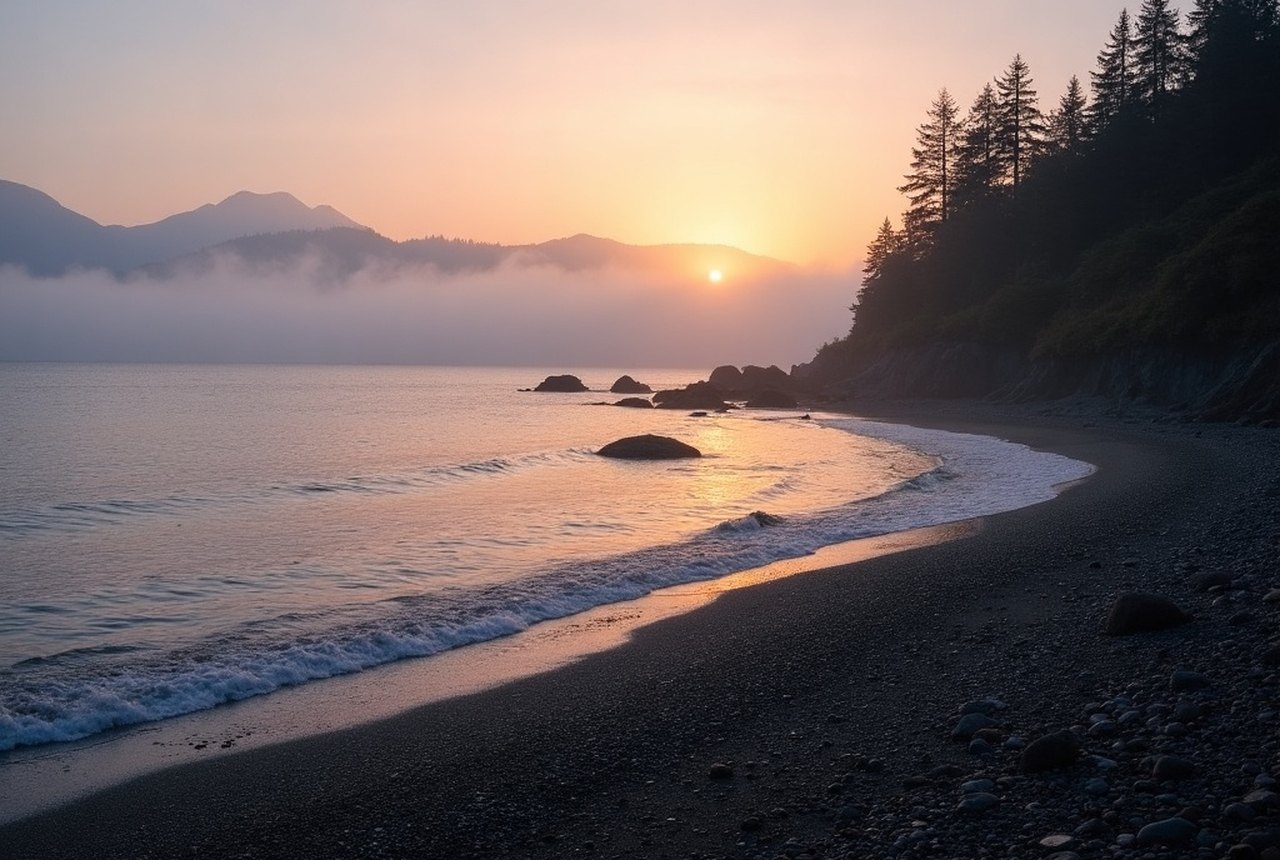
November. The shoulder tips back toward winter. Days shorten fast, rain returns, and the wilder stretches of coast — French Beach, Botanical Beach — show their roughest, most photogenic face. Not for every traveller, but memorable for those who seek it.
For the full seasonal story, including wildlife timing and festival windows, our detailed season-by-season guide covers every angle.