When to Visit Sooke: A Season-by-Season Guide
The mild Vancouver Island coast welcomes visitors year-round — but the season you choose shapes everything from trail solitude to what's swimming offshore.
No. 1 The Shape of a Year Here
Sooke sits on the eastern edge of Vancouver Island's wild outer coast, where the Strait of Juan de Fuca keeps temperatures moderate in every month and rainfall defines the rhythm of the year more than cold ever does. That maritime climate is the reason the Sooke coast stays accessible when much of Canada is locked under snow — but "accessible" doesn't mean every season feels the same. The light changes dramatically, wildlife moves in and out with the seasons, accommodation prices swing by as much as half, and the trails themselves feel like different places in July versus November. Choosing your window carefully is the single most useful thing you can do before booking.
Choosing your window carefully is the single most useful thing you can do before booking.
Sooke proper sits about 40 kilometres west of Victoria, with a year-round population of around 15,000. That community scale matters: unlike a purely resort-oriented town, Sooke has a working harbour, a working arts scene, and local businesses that carry on through winter. Whenever you arrive, something real is happening.
- Pre-contactThe T’Sou-ke Nation maintains a coastal settlement at Sooke for thousands of years
- 1849European settlers establish a formal presence in the Sooke area
- 1864The Leech River gold rush briefly boosts the local population
No. 2 Summer: Long Days, Full Trails, and the Need to Plan Ahead
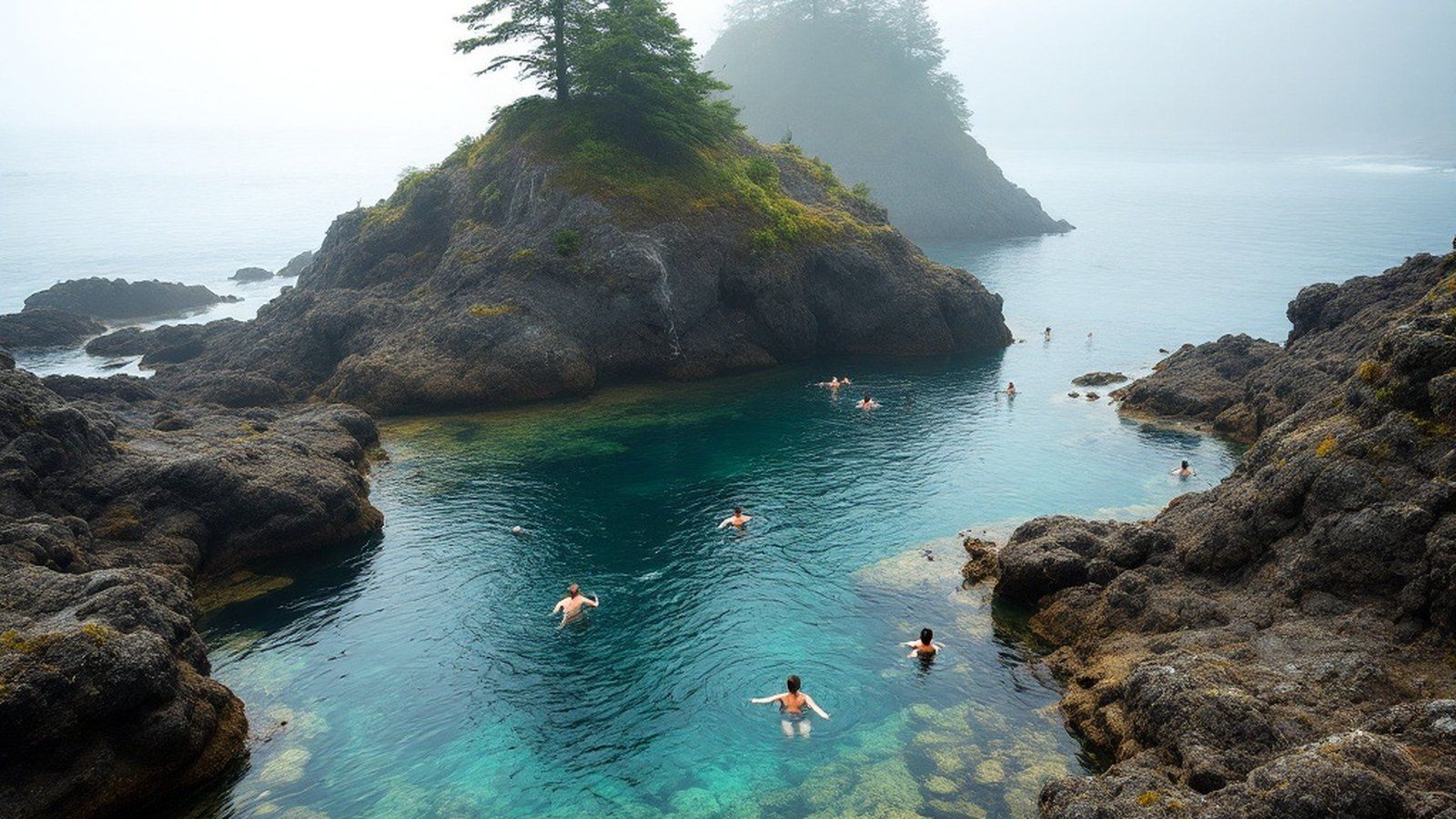
June through August is peak season without qualification. The weather is as dry and settled as it gets on the wet side of Vancouver Island — warm rather than hot, with afternoon temperatures typically in the low-to-mid twenties Celsius and long evenings that keep the light on well past nine. The whole menu opens up: every trail in East Sooke Regional Park is in prime condition, Sooke Potholes fills with swimmers, the harbour glitters with boats, and the Galloping Goose Regional Trail hums with cyclists from Sooke all the way back toward Victoria.
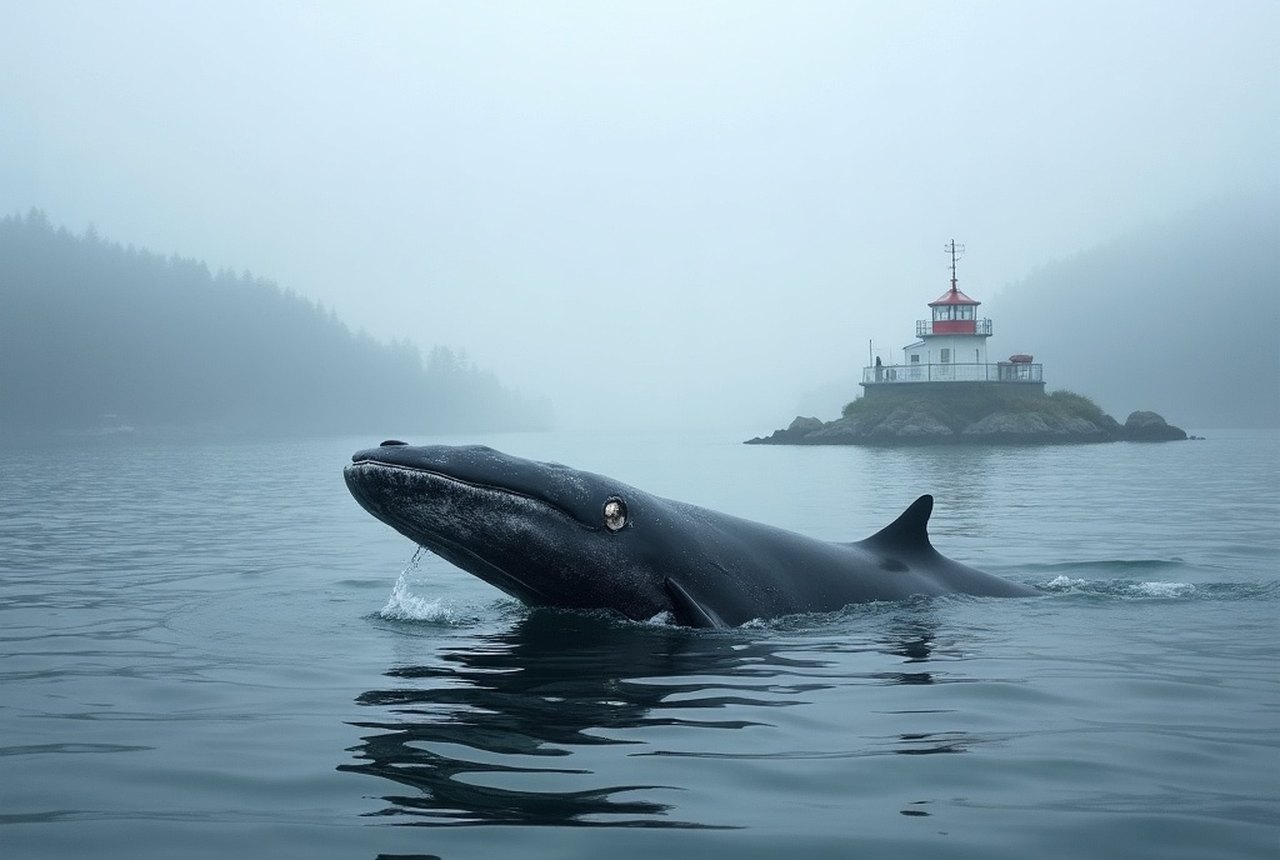
This is also when the coast shows off its wildlife most conspicuously. Grey whales have been moving through the Strait of Juan de Fuca since spring; orcas follow the salmon through summer. Guided tours out toward Race Rocks Ecological Reserve run regularly, and kayakers on Sooke Basin share the water with harbour seals and great blue herons in numbers that reward even an unhurried paddle.
The trade-off is straightforward: the best accommodation books out months in advance. July and August visitors who leave lodging to the last minute will find slim pickings across every category — from waterfront lodges to the region's famous bed and breakfasts. If your dates fall in midsummer, start searching before winter is out. Prices across the board reflect the demand; flexibility on dates or accommodation style will save you real money.
One practical note: the East Sooke Coast Trail — ten kilometres of rugged cliff-top hiking — draws serious walkers from across the province through summer. Start early. By mid-morning on a clear July weekend the trailhead car parks are full and the headlands feel crowded by Sooke standards, which is still uncrowded by most other standards.
No. 3 Spring: Wildflowers, Wildlife, and Room to Breathe
March through May is the most underrated window on the Sooke calendar. The weather is genuinely pleasant rather than guaranteed-dry — you will encounter rain, and you should dress for it — but crowds are a fraction of summer levels, accommodation rates drop noticeably, and the landscape rewards close attention in ways that midsummer, ironically, doesn't always.
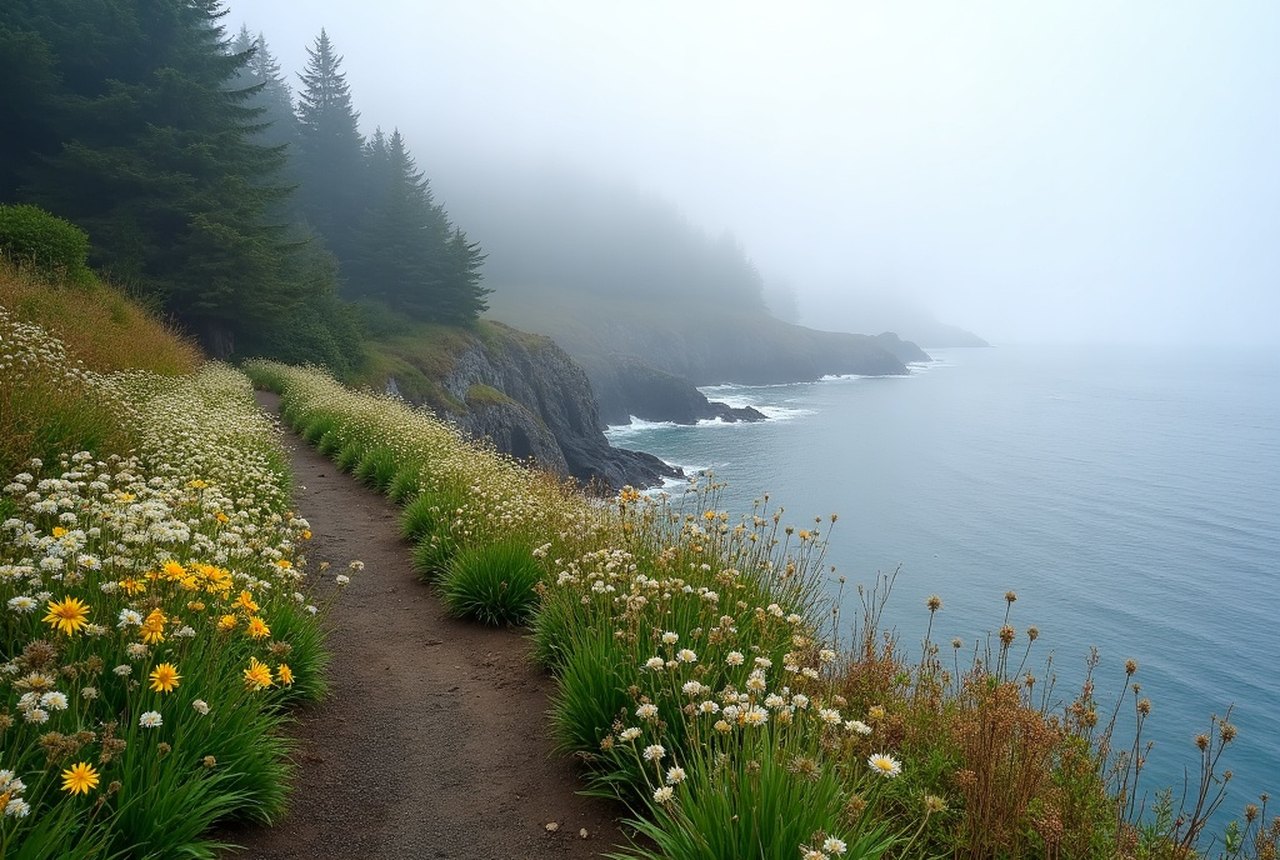
The old-growth fringe along French Beach and the rainforest sections of East Sooke come alive with new growth and birdsong. Wildflowers appear along the cliff trails. Grey whales pass through the strait in good numbers through March and April on their northward migration — timing a whale-watching trip for spring rather than summer can mean better sightings and a less hurried experience aboard. Salmon haven't arrived yet, but steelhead are present in the Sooke River into early spring for those who fish.
For cyclists, spring is arguably the best season on the Galloping Goose. The trail is largely dry, traffic is light, and the views south across the strait toward the Olympic Mountains — snowcapped well into May — are sharper and more dramatic than the summer haze often allows. Hikers planning a longer stay can combine trail days with visits to the Sooke Region Museum, which tells the layered story of this coast from the T'Sou-ke Nation through the logging and fishing eras, without competing with summer-season tour groups.
Booking in spring is refreshingly easy. Most properties have availability with reasonable lead time, and hosts — particularly at independent bed and breakfasts — tend to be generous with local knowledge and unhurried in a way that peak season doesn't always permit.
No. 4 Autumn: The Insider's Season
September and October may be the finest months to visit Sooke outright. The summer crowds have gone. Accommodation rates fall sharply — sometimes dramatically — and the same trails, beaches, and harbour views that were heaving in August become almost private. The light in September turns golden and low-angled in a way that makes the headlands of East Sooke and the views out to Sheringham Point look as though they've been lit by a careful photographer.
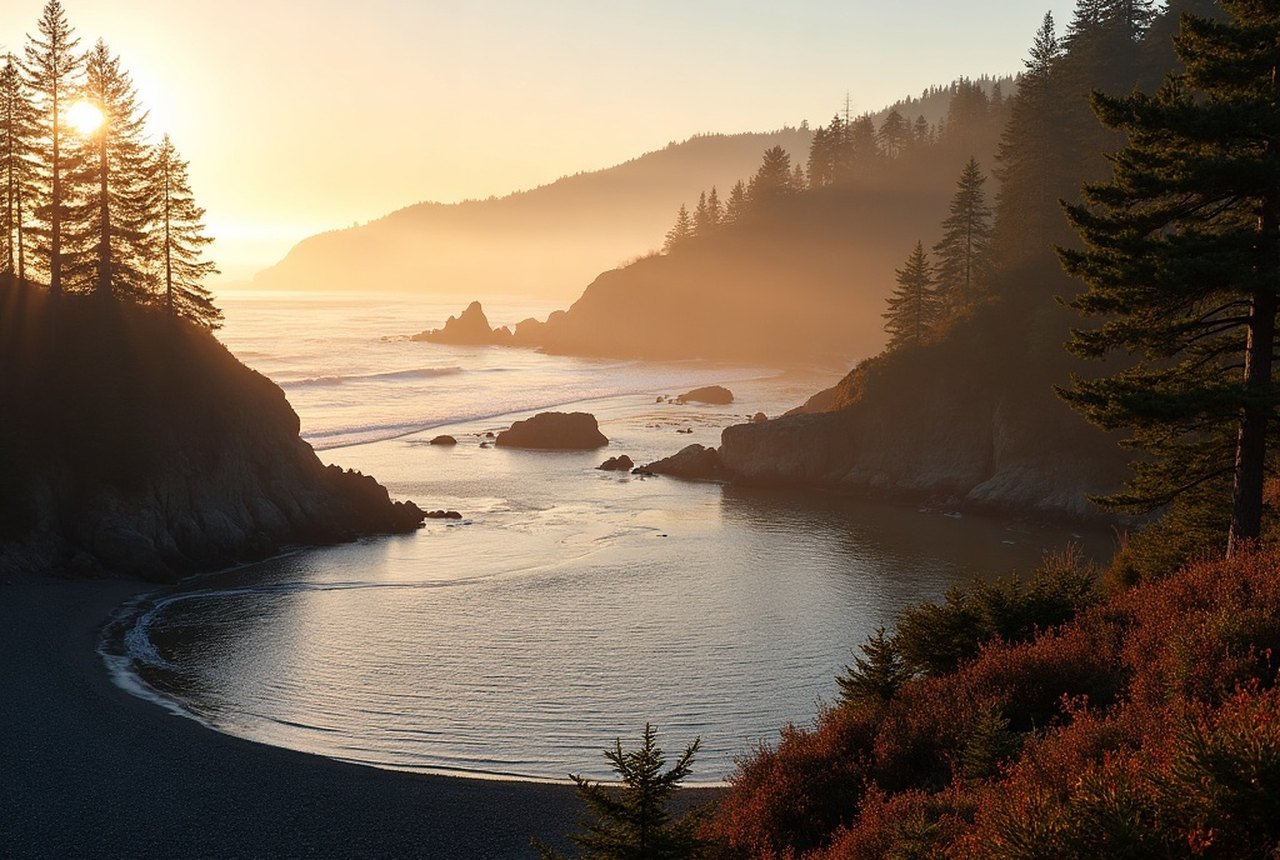
Autumn is the season the regulars keep to themselves.
The temperature barely registers the calendar change into September. Average highs remain comfortable for hiking, paddling, and beachcombing well into October. Whiffin Spit — the gravel bar that curves out to the harbour mouth — makes for a magnificent autumn walk, the water restless and the light cutting low across the basin.
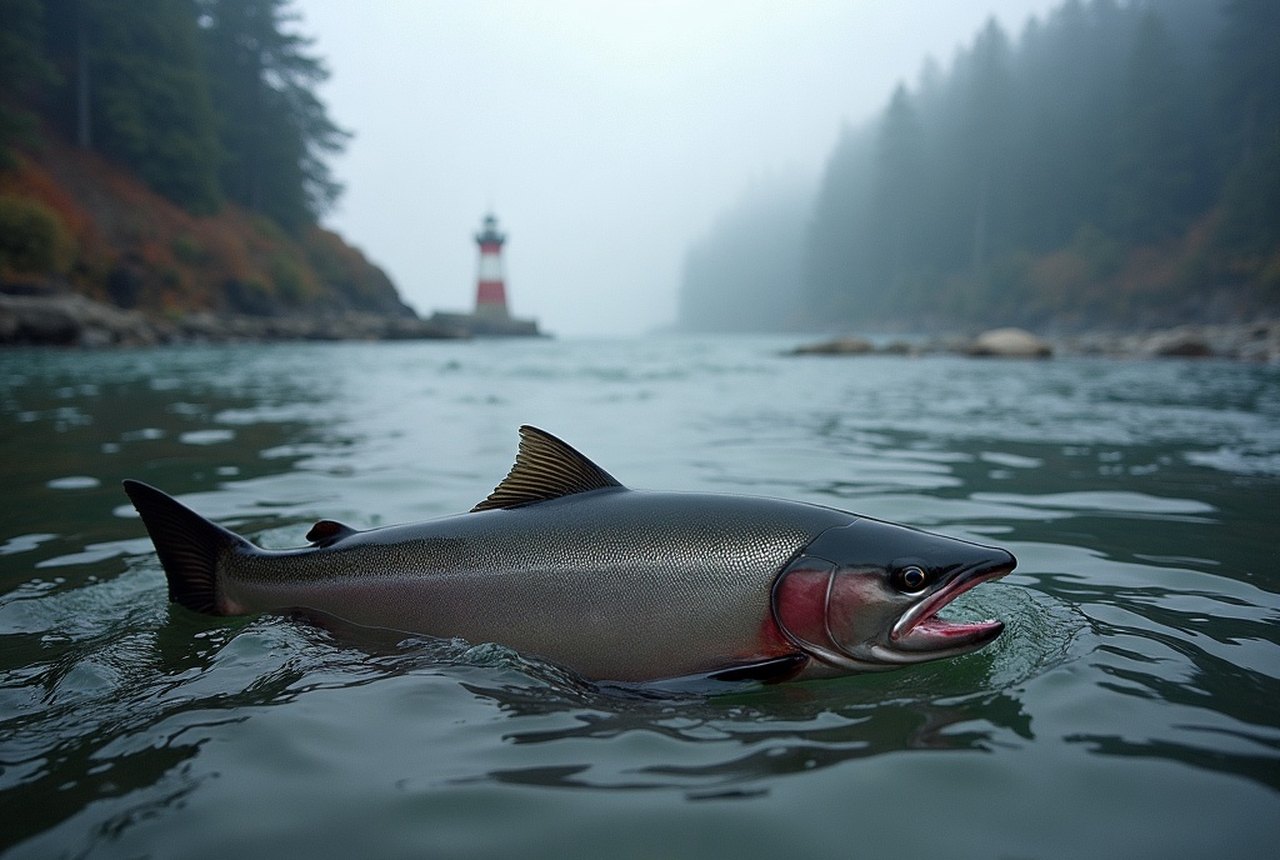
Autumn is the prime season for salmon. Chinook and coho return to the Sooke River from late summer through October, drawing anglers from across the province and bringing bears, eagles, and other wildlife down to the riverbanks. For anyone interested in the fishing heritage that shaped this community, watching a salmon return in full swing is as visceral an introduction to that history as any museum exhibit. Charter boats are still operating, often more willing to accommodate flexible schedules than in the height of summer.
The Sooke Fine Arts Show typically runs through late summer and signals a wider autumn arts season across the region. Many of the working studios in the Sooke hills and along the harbour road welcome visitors into fall, and stopping into one unannounced — as the independent artists here genuinely welcome — can produce a memorable hour and a conversation that a gallery visit alone rarely delivers.
November marks the beginning of the grey season. Temperatures fall, rainfall picks up, and some seasonal operators reduce hours. Early November still carries autumn's open quality; by late November the coast is shifting toward winter's mood.
No. 5 Winter: Storms, Solitude, and the Raw Coast
November through February draws very few visitors, and that is precisely its appeal for those who know what they're looking for. Some seasonal businesses close or cut back significantly, and several accommodation options that are fully operational in summer operate on reduced capacity or by arrangement only. Plan accordingly.
What winter offers in return is the coast at its most elemental. Storm watching on the rocky headlands of East Sooke, with heavy surf driving in from the open Pacific and mist settling into the old-growth valleys, is an experience that has no equivalent in the warmer months. The beaches at Botanical Beach — extraordinary tide pools that rival anywhere on the Pacific coast — are uncrowded in winter, and low tides on a clear winter morning, when the intertidal zone is fully exposed and the pools are alive with sea stars, chitons, and anemones, are among the quietest and most striking things this coast offers.
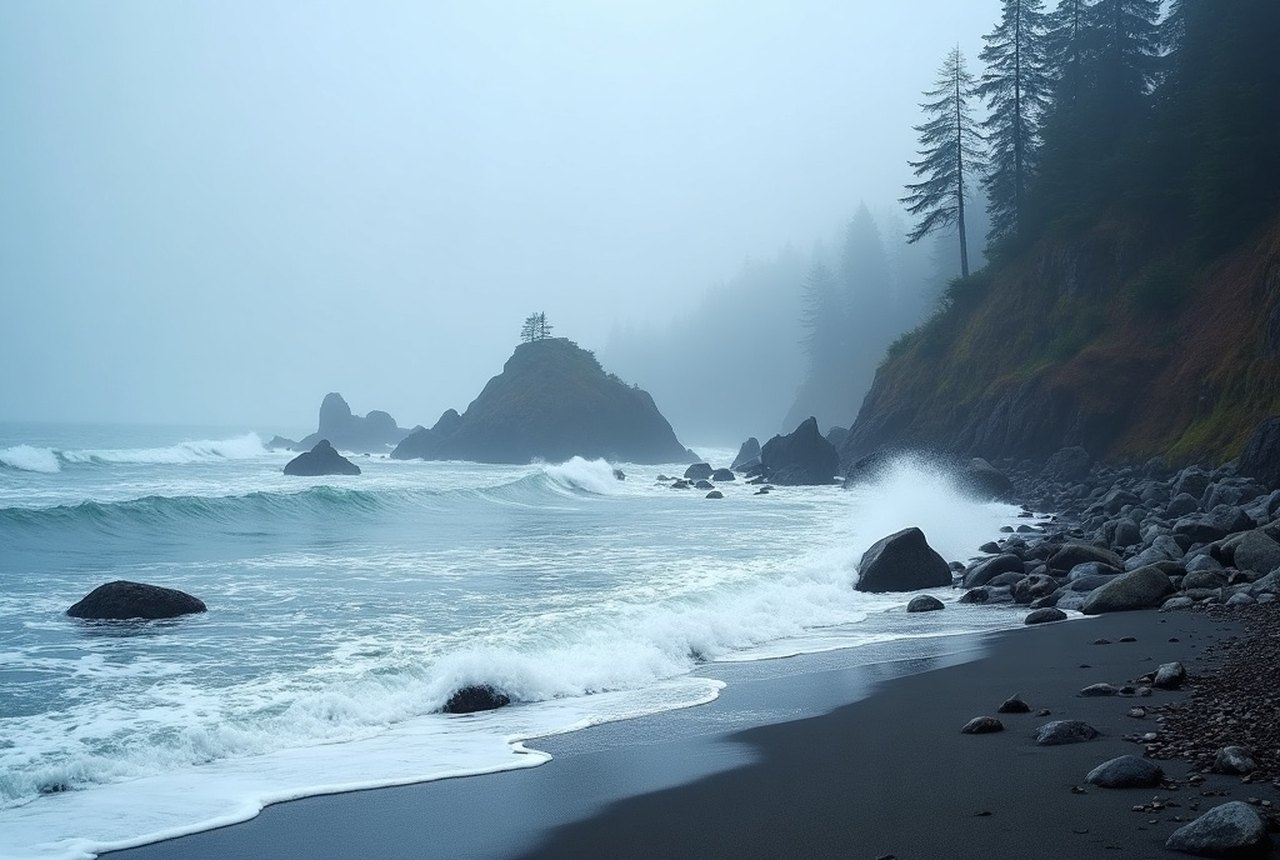
The Sooke Harbour itself is atmospheric in winter — the working boats still moving, the herons still standing their watch on the pilings, the basin reflecting pewter sky. The town is genuine year-round, and the café and restaurant culture that supports a community of over 11,000 doesn't shut down for the season the way a purely tourist-dependent town would.
Winter accommodation is the easiest and cheapest to book at any point in the calendar. Rates are at their lowest, flexibility is almost total, and the handful of visitors who arrive tend to be people who know exactly what they've come for.
No. 6 Putting It Together
The honest summary: summer delivers the full package but demands the most forward planning and the highest prices; spring offers nearly as much with far less competition; autumn is the season the regulars keep to themselves; and winter is for travellers who want weather, solitude, and a coast that hasn't dressed up for company.
| Summer (Jun–Aug) | Autumn (Sep–Oct) | |
|---|---|---|
| Weather | Driest and most settled; low-to-mid 20s | Barely registers the change into September |
| Crowds | Peak — trailhead lots full by mid-morning | Gone after the first week of September |
| Booking | Months ahead, highest rates | Rates fall sharply, flexibility returns |
| The show | Every trail open, orcas on the salmon | Golden light, the salmon run, storm fronts |
Whatever the season, the rhythm that works best in Sooke is an unhurried one — two or three things in a day, chosen well, rather than a checklist raced through. The coast here consistently rewards people who slow down enough to actually look at it.
| Season | The coast | What it asks of you |
|---|---|---|
| Summer | Dry, settled, everything open | Forward planning and peak prices |
| Spring | Whales, wildflowers, sharp views | Rain gear and a flexible schedule |
| Autumn | Golden light, salmon, quiet trails | Nothing — this one’s a gift |
| Winter | Storms, solitude, raw coast | Knowing exactly what you came for |